How Open Source Dependency and Repo Attacks Compromise DevOps Pipelines and How to Stay Safe 
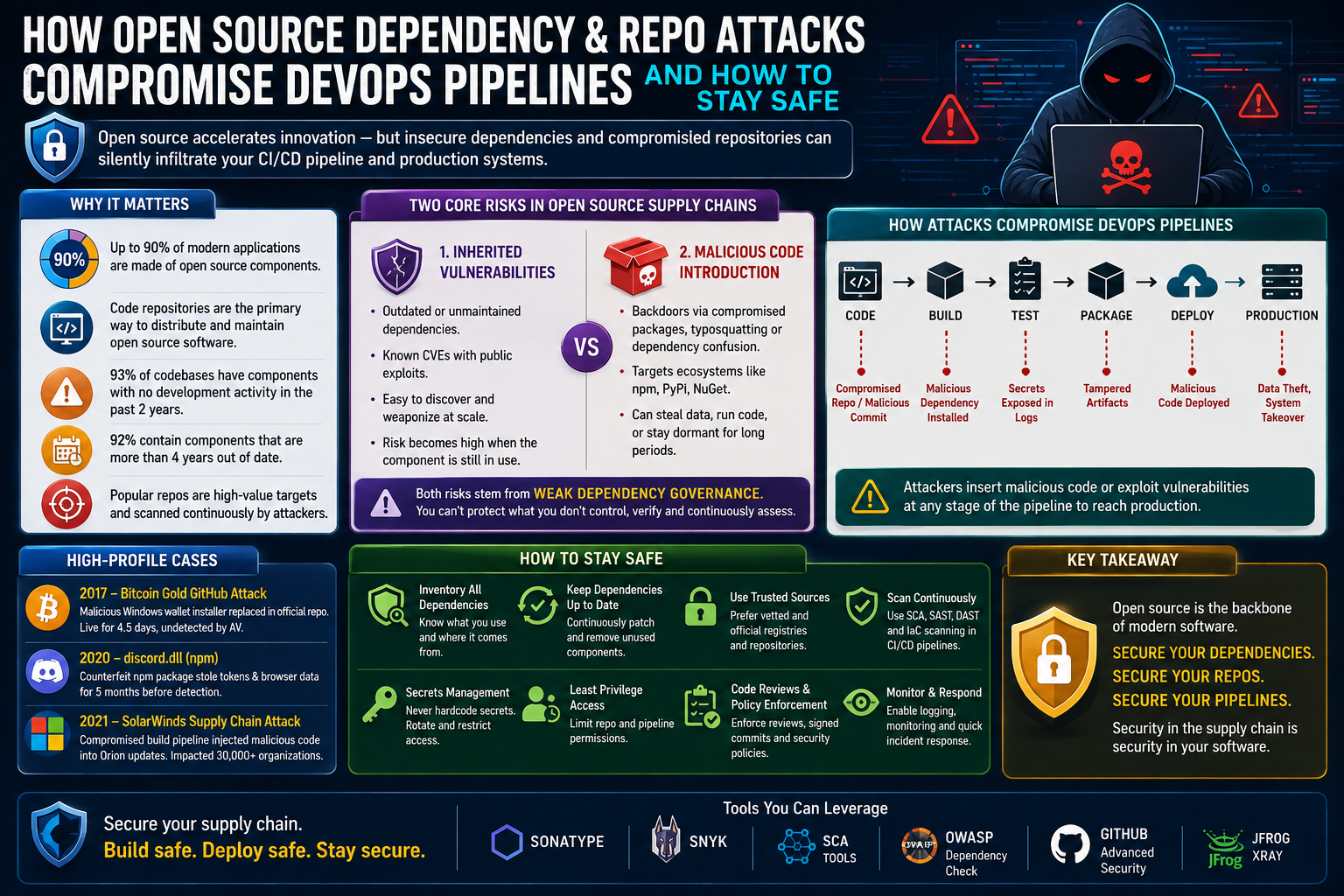
According to Sonatype, modern applications are composed of up to 90% open source components. This reliance has significantly accelerated development by allowing teams to reuse existing libraries and modules instead of building functionality from scratch.  Code repositories serve as the primary mechanism for distributing and maintaining open source software, whether developed by independent communities or backed … Read more
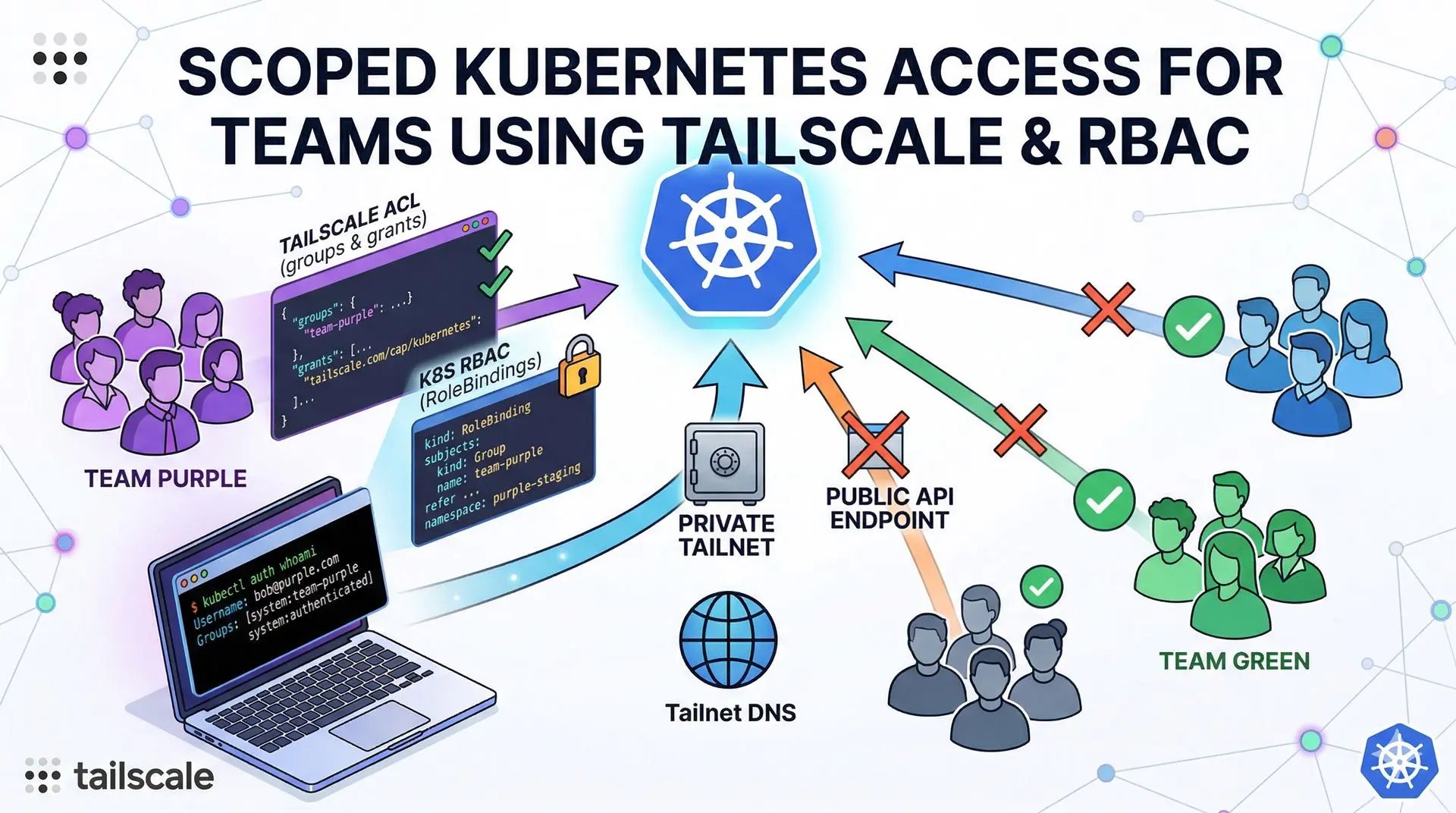
Secure Multi-Team Kubernetes Access with Tailscale

Introduction You are an administrator of a large Kubernetes cluster shared by many teams. You want to grant each team access only to the resources they are permitted to use. In this guide, I’ll show you how to configure permissions with Tailscale and secure your Kubernetes API so you can provide access without exposing your … Read more

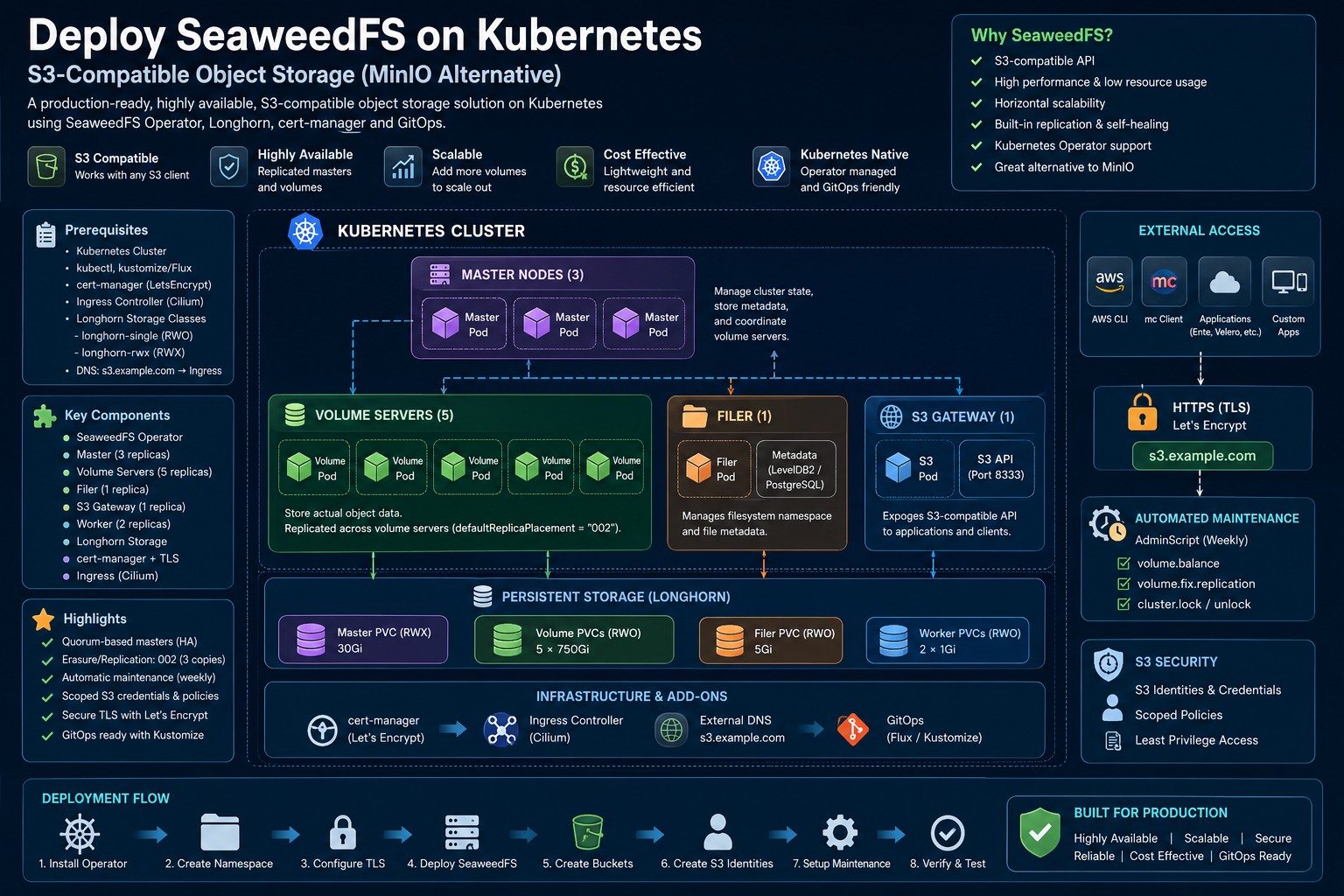
Replace MinIO with SeaweedFS on K8S S3 storage

Introduction SeaweedFS is a distributed object store and file system that can expose an S3-compatible API. It is useful when you want to replace MinIO with lighter self-hosted object storage for applications such as photo backups, static hosting, or internal services that expect S3. The reason to move away from MinIO is simple: the public … Read more

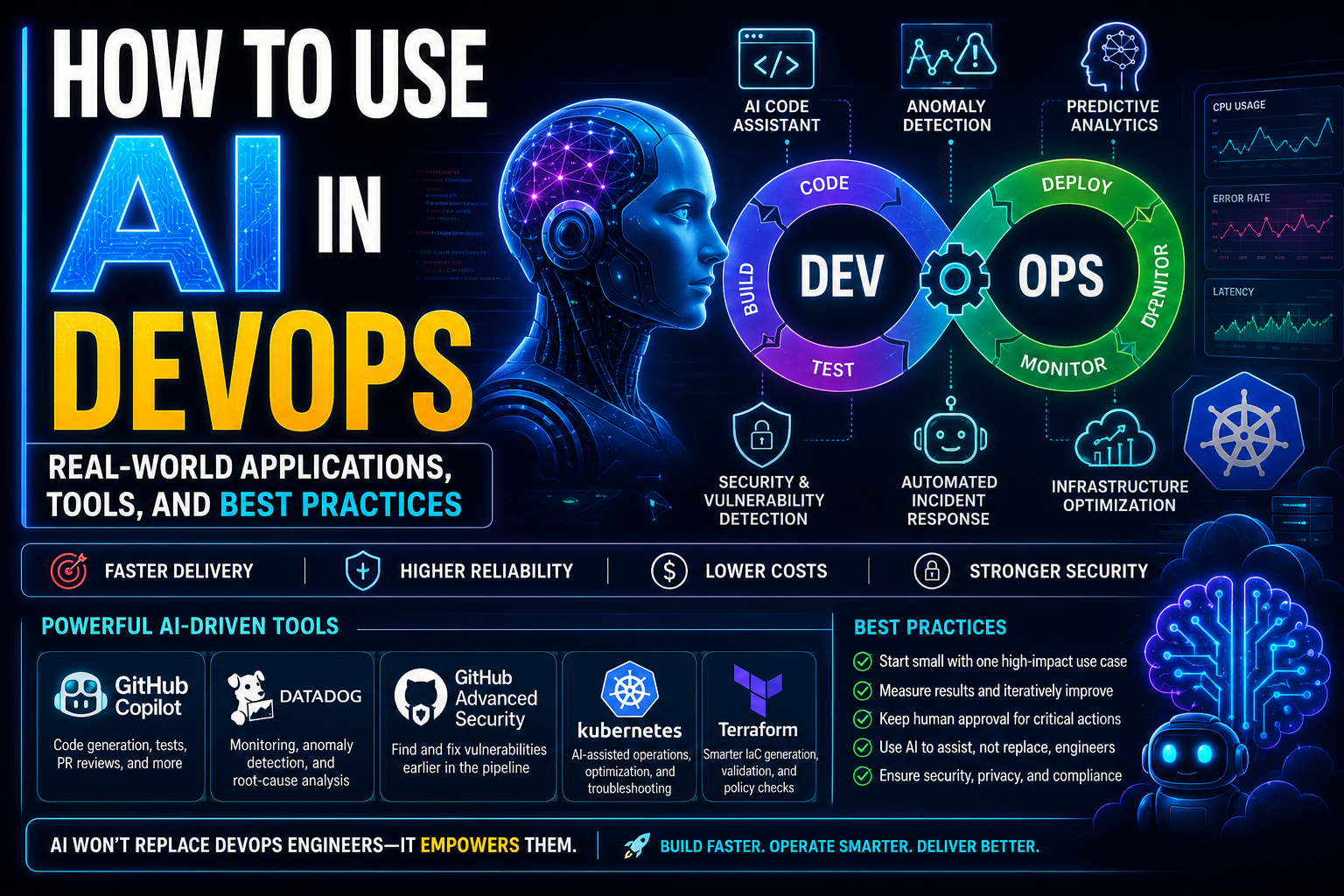
How to Use AI in DevOps: Real-World Applications, Tools, and Best Practices

Artificial intelligence is no longer a side topic in DevOps. It is now being applied to code generation, pull request review, anomaly detection, incident investigation, and infrastructure optimization across modern delivery pipelines . For teams running cloud-native platforms, the most useful question is not whether AI matters, but where it creates measurable value without adding unnecessary … Read more

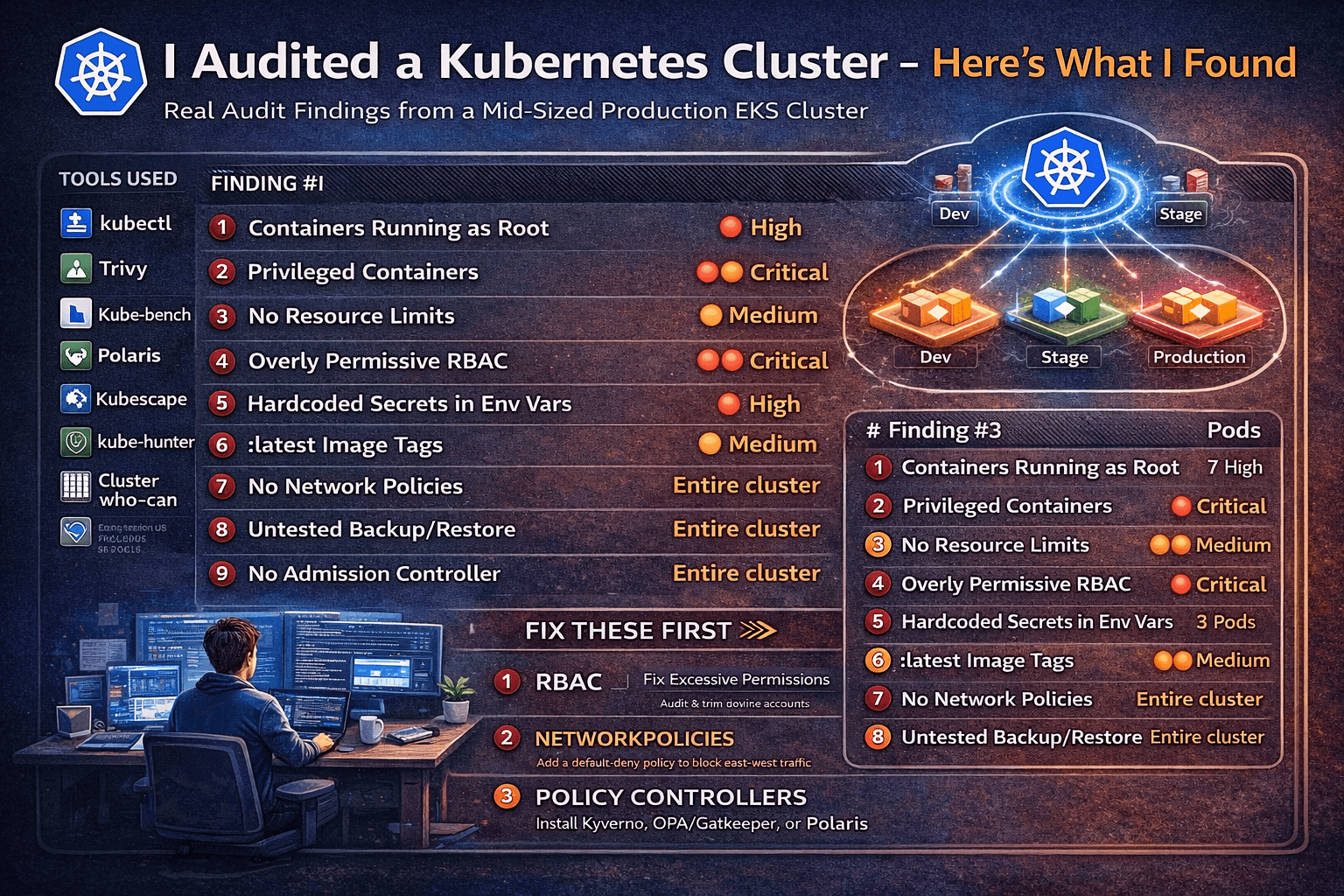
Auditing a Real-World Cluster: Every Misconfiguration I Found in 1 Hour with Open Source Tools

I was given read access to a mid-sized production Kubernetes cluster — 3 namespaces, ~40 workloads, running on EKS. No insider knowledge. Just tools, curiosity, and 60 minutes. Here’s everything I found. The Setup The cluster belonged to a startup that had been running Kubernetes in production for about 18 months. They had a dedicated … Read more

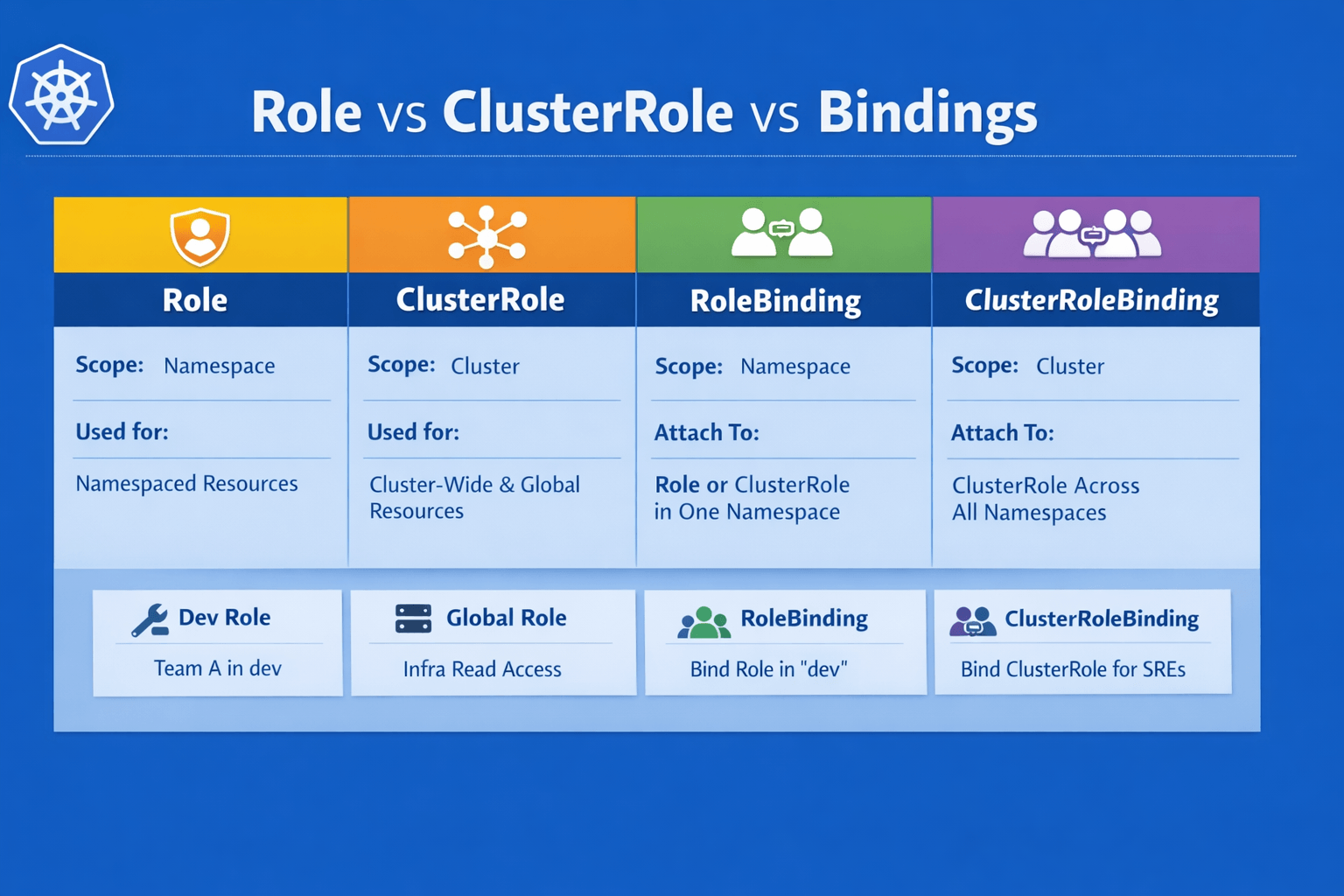
Kubernetes RBAC: A Complete Guide With Concepts, YAML Examples, and Best Practices

Role‑Based Access Control (RBAC) is one of the most critical security layers in any Kubernetes cluster because it decides who can perform which actions on which resources. In many organizations, RBAC is the difference between “one compromised account destroys the cluster” and “blast radius is limited to a small, controlled scope.” This blog will take … Read more

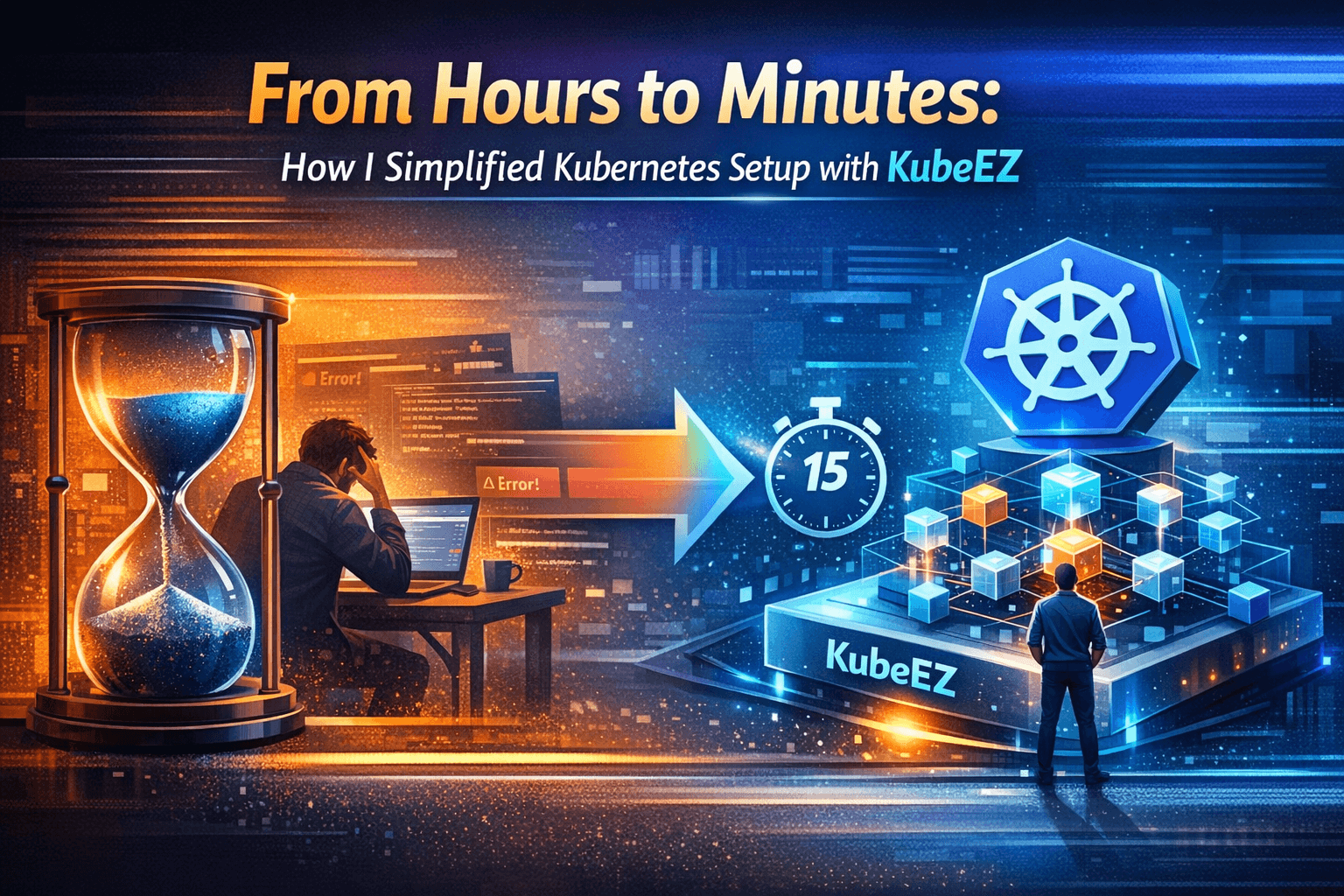
Deploy Kubernetes in 15 Minutes: Introducing KubeEZ (Universal K8s Installer)

😅 This Started With Pure Frustration I can’t even count how many times this has happened. I’d sit down thinking, “Let’s quickly set up a Kubernetes cluster.” It always starts simple. Nothing fancy, just a quick setup for testing or deployment. But somehow, it never stays simple for long. First, the container runtime takes longer … Read more

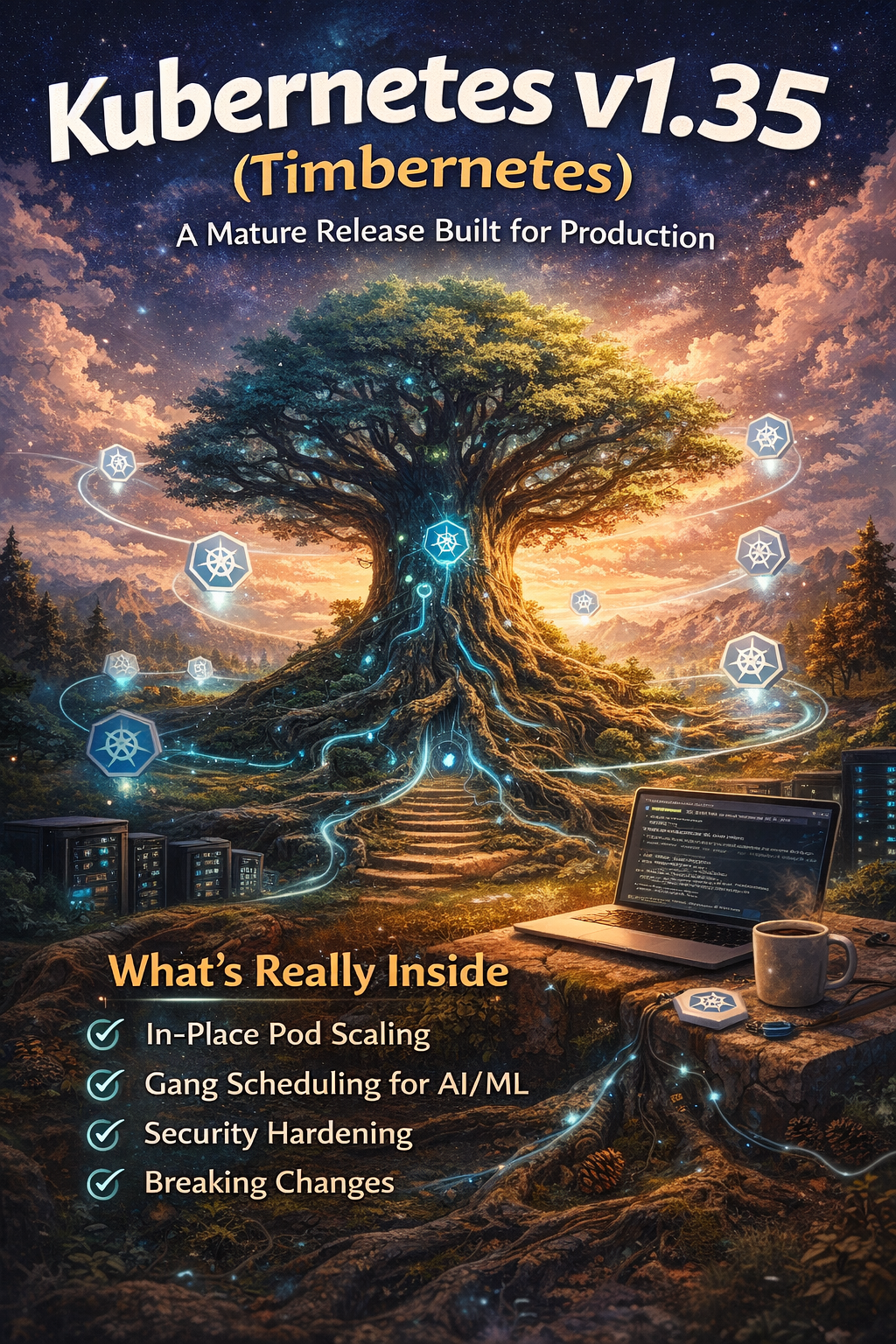
Kubernetes v1.35 (Timbernetes): My Honest Take on This Release

I usually don’t get excited about Kubernetes version numbers. Most releases come, we skim the changelog, upgrade when forced, and move on. But v1.35 made me stop for a bit. Not because it’s flashy.Because it feels… mature. Kubernetes v1.35 was released on December 17, 2025, and it’s called Timbernetes — The World Tree Release. The … Read more

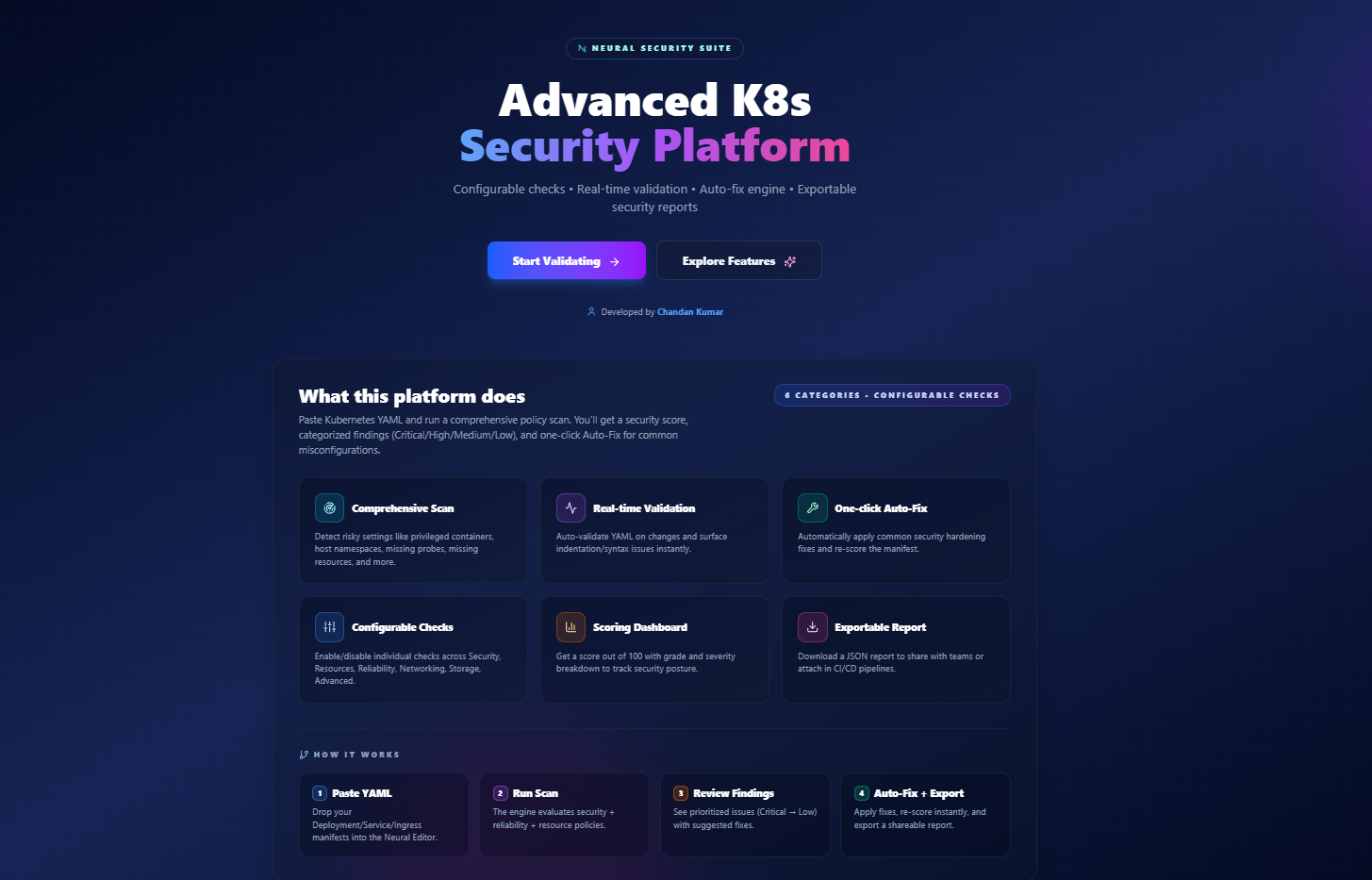
K8sGuardian Engine: Securing Kubernetes YAML Before It Reaches Production 🛡️

If you’ve worked with Kubernetes long enough, you already know this truth: Most Kubernetes issues don’t start in the cluster. They start in YAML. A missing resource limit.A privileged container left unnoticed.No readiness probe, no liveness probe. Everything looks fine… until it isn’t. That’s exactly the problem K8sGuardian Engine is built to solve. K8sGuardian Engine … Read more

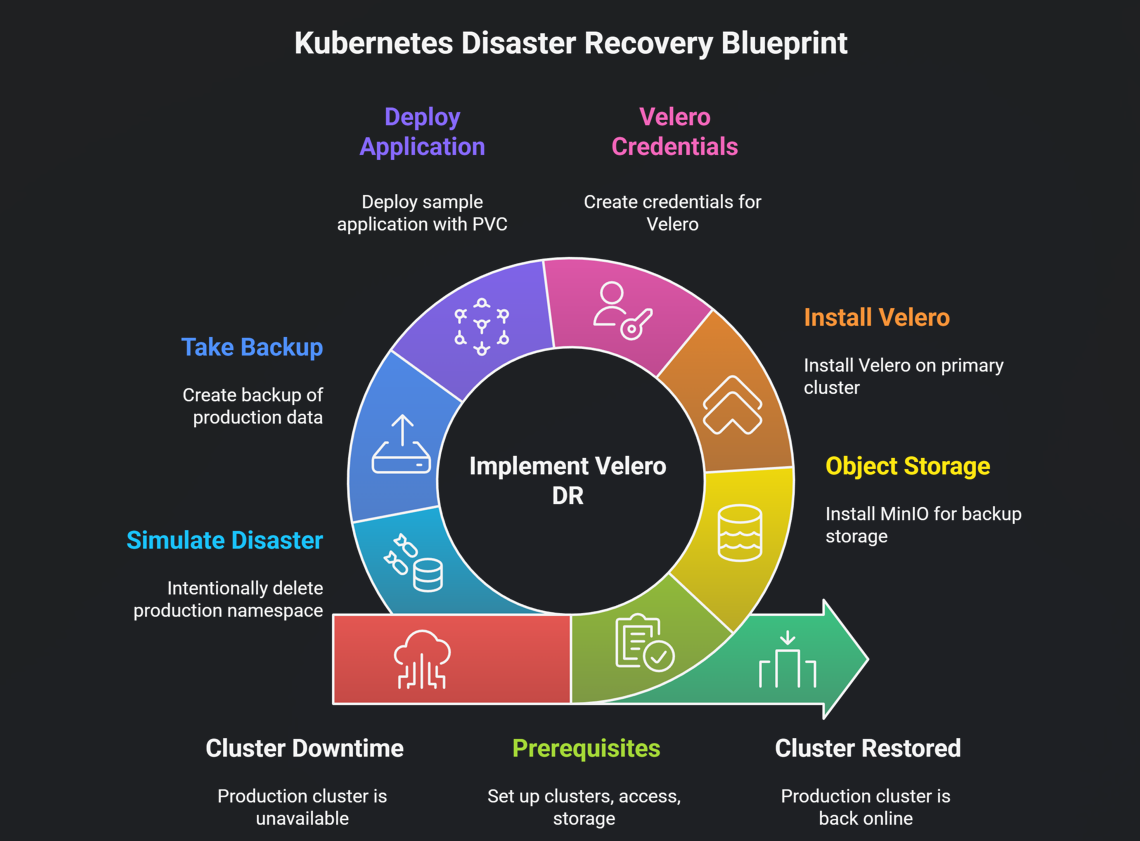
Kubernetes Disaster Recovery Blueprint (Velero + Multi-Cluster)

This is not a copy‑paste documentation blog. This guide comes from real incidents, real mistakes, and real recoveries in production. To be honest, most teams start thinking seriously about Kubernetes Disaster Recovery only after something bad has already happened. I was no different. For a long time, I believed that High Availability was enough. Then … Read more